
Grow a Window Nook Micro‑Garden in Any Rental
Today we’re diving into window nook micro‑gardens for renters, showing how small ledges, sills, and bright corners can become lively, productive green spaces without drilling holes, risking deposits, or overwhelming your routine. Expect practical tips, cozy design ideas, and stories that turn limited square inches into flavorful herbs, cheerful blooms, and calming greenery that fit your lease and your lifestyle, even if all you have is a sunny pane, a radiator nearby, and a willingness to experiment patiently.
Reading the Light: Microclimates by the Pane
Before choosing containers or plants, learn how your window behaves through a full day. Morning sun is soft; late afternoon can scorch. Drafts sneak through tiny gaps, while radiators bake roots from below. Measure light with your phone, notice shadows, log hours of direct sun, and pay attention to reflections from neighboring buildings. A renter in a north‑facing studio shared how a simple white poster board bounced precious light toward basil, doubling growth without adding gadgets or upsetting the landlord.
Sun, Shade, and Reflections
Stand at your sill hourly for one weekend and note where sun actually lands, not where you hope it does. South and west often bring intensity; east offers gentle brightness; north needs creativity. Mirrors or a white tray can redirect light safely without hardware, while shiny appliances across the room may already be doing quiet work. Protect tender leaves during heat spikes with a sheer curtain panel, and rotate pots weekly so every side enjoys fair access without leaning toward the glass.
Heat, Drafts, and Radiators
Windows can be hot at noon and chilly by evening. Radiators below sills dry soil fast and stress roots, while winter drafts can stunt seedlings. Keep pots slightly off the sill with cork risers to reduce heat transfer, and add a small water tray nearby to boost humidity without damp surfaces. If your lease allows removable insulation film, use it only on the glass, never frames. One renter found moving thyme six inches from the radiator stopped crispy tips immediately.

Containers That Keep Deposits Safe
No‑drill options unlock creativity without conflict. Spring‑tension rods hold lightweight trays under blinds, clamp shelves hug sills without screws, and suction brackets support mini herb boxes on smooth glass when used within weight limits. Focus on catchment: deep saucers, capillary mats, and double‑potting reduce mess. Felt grow pockets slide onto rails, then slide off for cleaning. Pair breathable liners with removable sleeves for style. A reader once turned a shallow bread pan into a tidy trough, protecting paint flawlessly for two lease cycles.
Plants That Thrive in Snug Windows
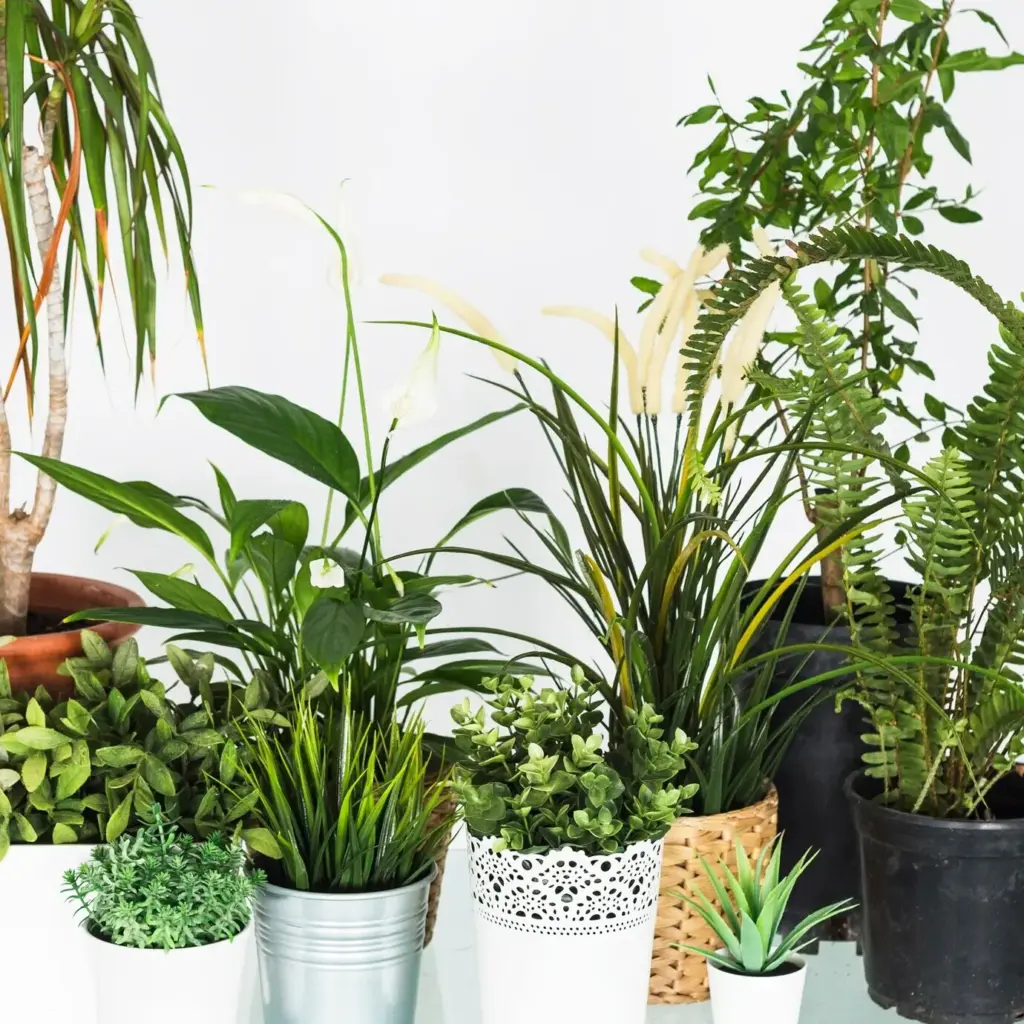
Match plants to light and lifestyle rather than impulse picks. In bright spots, dwarf tomatoes, compact peppers, strawberries, and thyme reward attention. In gentler light, mint, parsley, chives, lettuce mixes, and microgreens flourish. Add trailing pothos or peperomia for softness, keeping pet safety in mind. Choose slow, tidy growers over sprawlers. A studio dweller harvested weekly basil from three small starts by pinching early, while a neighbor enjoyed edible nasturtiums cascading over a narrow sill, brightening the block from street level.
Cut‑and‑come‑again lettuces, basil, chives, and mint deliver frequent harvests without large containers. Sow microgreens in shallow trays for fast, satisfying results every seven to ten days. Keep mint corralled in its own pot to prevent takeover. A renter in a west‑facing alcove grew dwarf strawberries alongside thyme, staggering plantings to enjoy berries and herbs all month. Focus on compact varieties labeled patio, dwarf, or bush, and prune regularly. Your scissors are the steering wheel guiding growth toward flavor, not chaos.
North windows and shaded courts still support greenery. Parsley, cilantro, and chervil tolerate softer light, while decorative friends like pothos, peperomia, and heartleaf philodendron add restful texture. If pets nibble, research safety before choosing plants. Boost brightness with a reflective tray and light‑colored walls nearby. Keep watering conservative; low light slows evaporation. One student tucked chives beside a white kettle and gained just enough reflected glow to keep snips coming. Gentle airflow from a nearby fan prevented mold and kept leaves sturdy.
Compact chiles, dwarf cherry tomatoes, rosemary, thyme, and alpine strawberries relish strong sun. Use a slightly deeper pot for tomatoes and stake with a slim, removable support that slips out for cleaning days. Pinch early side shoots to focus energy. Rotate jars weekly so fruit ripens evenly, and keep leaves from touching hot glass. A neighbor with blazing afternoon light cooled the area using a sheer curtain, preserving blossoms and reducing sunscald without sacrificing brightness or violating the lease’s no‑hardware clause.


Watering, Feeding, and Cleanliness Without Spills
Consistent routines protect plants and apartments. Water slowly, let soil absorb, then pause and repeat. Feed lightly, more often, because tiny containers accumulate salts quickly. Keep saucers clean, mats dry, and glass bright. A microfiber cloth, a small watering can with a narrow spout, and a turkey baster form an efficient kit. Commit to a weekly fifteen‑minute reset: trim, dust, rotate, and empty reservoirs. These small acts prevent gnats, protect paint, and transform care into a relaxing, meditative habit.
Carry a small watering can and an empty cup. Water each pot until the first cup catches a little runoff, then wait a minute and pour back slowly so soil reabsorbs moisture without overflow. Repeat gently, moving plant to plant. This prevents sudden gushes across sills and reduces nutrient loss. If you group pots in a tray, tilt the tray slightly after ten minutes and collect excess with a baster. Predictable, measured steps give peace of mind and cleaner, healthier roots every week.
Use a dilute, balanced liquid fertilizer every two to three weeks during active growth, and skip when light is weak. Slow‑release prills in small amounts help herbs without overwhelming them. Consider worm‑casting tea for gentle micronutrients, and flush with plain water monthly to prevent salt crust. Watch leaves: pale growth or sluggish recovery after harvests suggests a feeding boost. Remember, tiny containers concentrate everything—both good and bad—so measured, consistent nutrition beats occasional heavy doses that spill or stress sensitive roots.
Designing Vertical and Modular Vignettes
Small spaces benefit from layers. Use risers, stacked trays, and narrow racks that press gently against the sill without screws. Create depth with taller plants behind compact herbs, and borrow sparkle from glass jars filled with LECA. Choose cohesive colors for pots, then add one surprising accent for personality. A renter built a magnetic spice‑tin herb garden on a removable steel strip leaning against the frame, shifting the whole display for cleaning days without tools, holes, or grumpy inspections.
Warm‑Season Rotation, Cool‑Season Comfort
In bright months, prioritize sun‑loving herbs, peppers, and compact tomatoes, staking lightly for airflow. As days shorten, transition to lettuce blends, parsley, cilantro, and chives that accept gentler light. Reduce feeding, water more thoughtfully, and use reflective surfaces to stretch brightness. A clip‑on, no‑drill light timed for morning hours stabilizes growth and moods alike. Keep notes about which varieties thrived in each season. Your log becomes a trusted map, preserving lessons so next year’s window garden starts steady, confident, and productive.
Propagation Parties and Swap Etiquette
Snip basil tops, rosemary sprigs, or pothos vines, then root them in water glasses labeled with painter’s tape. Before sharing, inspect for pests and trim ragged leaves. Bring extras to a casual hallway swap; package cuttings in damp paper towels. Offer care notes and your favorite recipe using the herb. A neighbor once traded a rosemary cutting that became a fragrant windowsill pillar, anchoring a whole display. Community thrives on generosity, clear labeling, and the joy of passing living abundance hand to hand.
Join the Conversation
Tell us about your window direction, sill depth, and building quirks, and we’ll answer with tailored ideas. Share photos, ask questions, and request experiments you want tested in real rental conditions. Subscribe for seasonal checklists, plant profiles, and gentle reminders timed to light shifts. Vote in polls that guide our next deep dives. Your stories fuel smarter advice, and your victories encourage new growers nervous about deposits and space. Let’s grow better together, one bright pane and thoughtful adjustment at a time.

All Rights Reserved.